
Luang Namtha’s Heritage Sites

  Vat Mahapot: Explore the ruins of a hidden hilltop forest temple inside an ancient city dating to the 1300s, and which flourished during the 16-18th centuries. Vat Mahapot and its domain served as an important trading hub between China and Siam. It is believed that around 500 temples once dotted the Vieng Phoukha Plains … Read more
Luang Namtha Caves

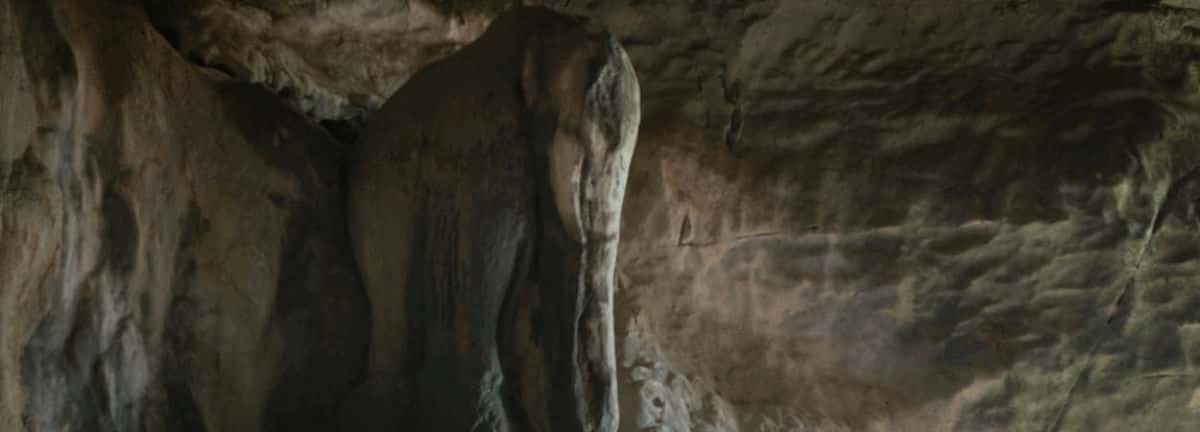
  Tham Kao Rao: Take an easy hike through the 30-hectare Tham Kao Rao area near Vieng Phoukha Town, and explore an endless underground labyrinth. Spelunkers once mapped the cave network for some 1,000 metres, but after 8 hours in the hole, they returned, exclaiming, “There is no end in sight.” The trail to the … Read more

Trekking in Luang Namtha

Meeting lost mountain tribes, skirting the Chinese frontier, immersing yourself in river life…Luang Namtha treks offer it all. And, there’s plenty of local tour operators and guides working with the province’s Sustainable Tourism Network (STN) to ensure everyone gets a piece of the revenue pie. Luang Namtha Town & Nam Ha NPA: The Adventure Begins … Read more

Luang Namtha’s Top Attractions

  Nature The mountainous 2,224 km2 Nam Ha National Protected Area (NPA) stretches from the Chinese border to Bokeo, and Luang Namtha Province’s natural attractions and activities are in or around it. Mixed deciduous and evergreen forest covers most of the NPA, with dozens of rivers and streams crisscrossing its rugged landscape, where more than … Read more

Luang Namtha’s History

  Archaeological evidence, including stone tools found in the Nam Chook River Valley in Vieng Phoukha, and cliff paintings near Nalae, suggest that Luang Namtha Province was inhabited as early as 6,000 years ago. The first local written account of the province’s history appears in the “Xieng Khaeng Chronicles” that recount the founding of Xieng … Read more

Luang Namtha Ethnic Diversity

  The Akha live in the mountains, and follow a cultural code called Akha Zang, the “Akha Way”, which defines traditions and laws, as well as how they farm, hunt, treat illnesses, and relate to each other and outsiders. Women wear black cotton miniskirts, tight-fitting bodices, embroidered jackets, and intricate head-dresses. Villages feature tall swings … Read more